
Sustainable Living in Georgia: Features That Add Value
As more people become aware of the environmental impact of their daily choices, sustainable living has gained popularity. In Georgia, a state known for its rich natural landscapes and diverse ecosystems, sustainable living not only benefits the environment but also adds value to homes and communities.

Energy Efficiency
One of the key features of sustainable living is energy efficiency. Georgia’s warm climate makes energy-efficient solutions particularly valuable. Implementing solar panels, energy-efficient windows, and smart thermostats can significantly reduce energy consumption. These improvements not only lower utility bills but also increase property value.
Solar Energy
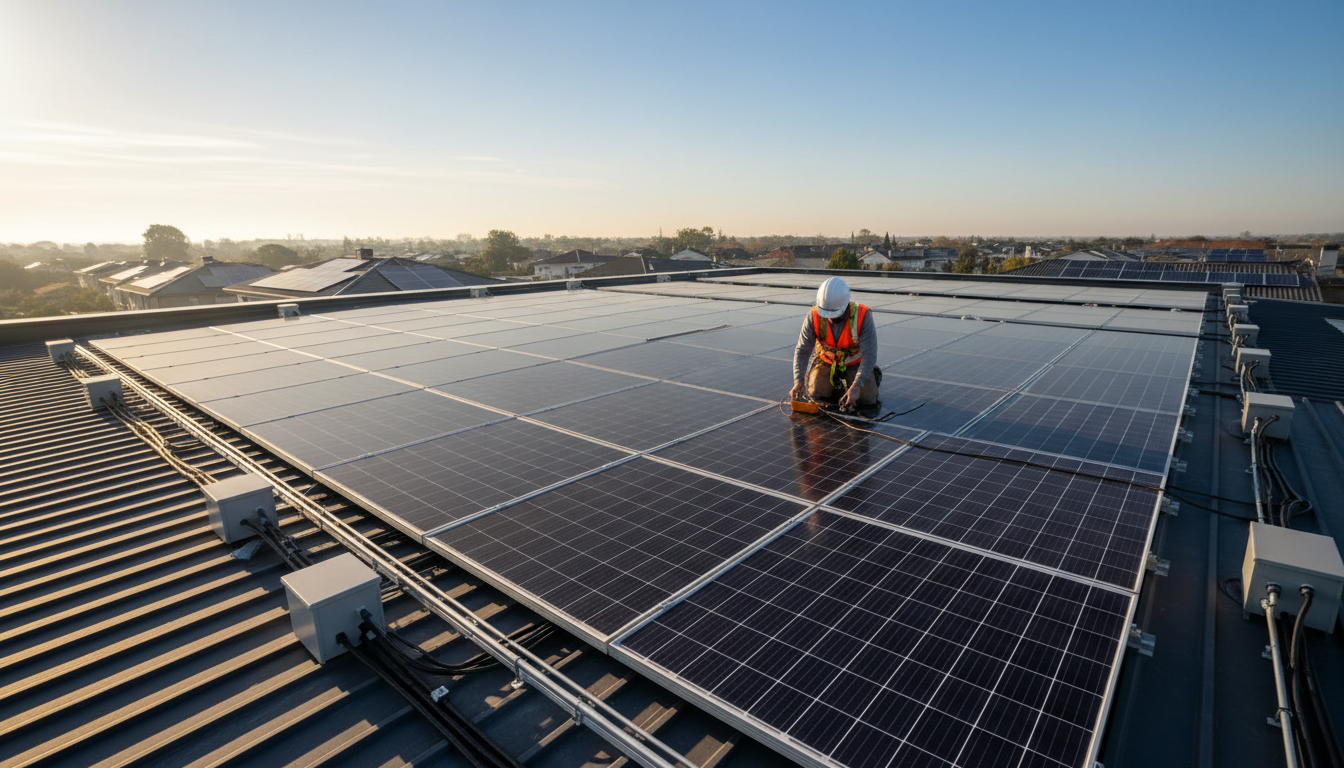
Georgia receives abundant sunshine, making it ideal for solar energy. Installing solar panels can be a smart investment, providing clean, renewable energy and potential savings on electricity costs. Additionally, there are tax incentives and rebates available to encourage solar adoption.
Water Conservation
Water conservation is another critical aspect of sustainable living. With periodic droughts in Georgia, efficient water use is essential. Implementing rainwater harvesting systems and using drought-resistant landscaping can conserve water and reduce dependence on municipal sources.
Rainwater Harvesting
Rainwater harvesting systems collect and store rainwater for later use. This sustainable practice is particularly beneficial during dry spells and can be used for irrigation, reducing water bills and conserving valuable resources.

Eco-Friendly Building Materials
Choosing eco-friendly building materials is another way to enhance sustainability. Materials like bamboo, reclaimed wood, and recycled metal not only reduce the carbon footprint but also create a unique aesthetic appeal. These materials are often more durable and require less maintenance over time.
Bamboo and Recycled Materials
Bamboo is a rapidly renewable resource, making it an excellent choice for flooring and furniture. Recycled materials, such as reclaimed wood and metal, provide a rustic charm and contribute to a circular economy by reducing waste.

Community Initiatives
Sustainable living extends beyond individual homes to community initiatives. Georgia is home to numerous sustainability-focused communities that prioritize green spaces, communal gardens, and energy-efficient infrastructure. These communities foster a sense of shared responsibility and enhance overall quality of life.
Benefits of Green Communities
Green communities offer residents a healthier lifestyle with access to nature and outdoor activities. They often have lower pollution levels, promoting better air quality and well-being. Investing in such communities can lead to a higher return on investment as demand for sustainable living increases.
In conclusion, sustainable living in Georgia not only contributes to environmental preservation but also adds significant value to properties and communities. By embracing energy efficiency, water conservation, eco-friendly materials, and community initiatives, residents can enjoy a healthier and more sustainable lifestyle.